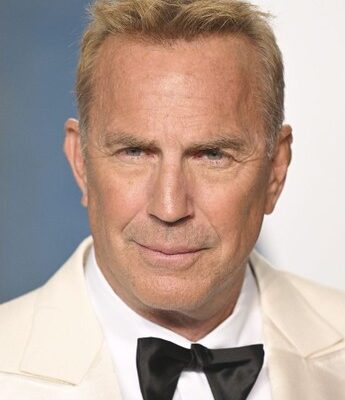
Kevin Costner had spent a week writing his goodbye to Whitney Houston. Then he got to her funeral and wondered if he could bring himself to read it. He later recalled seeing Oprah Winfrey and Diane Sawyer inside the Newark church and asking whether either of them would give the speech for him. A week earlier, Houston had died at 48.
Now her mother and daughter were in the room, and Costner was about to tell them a story from before The Bodyguard made the two actors one of Hollywood’s most recognizable screen pairings. It began with a failed screen test, a little makeup melting under hot lights, and Whitney Houston wondering whether she was good enough.
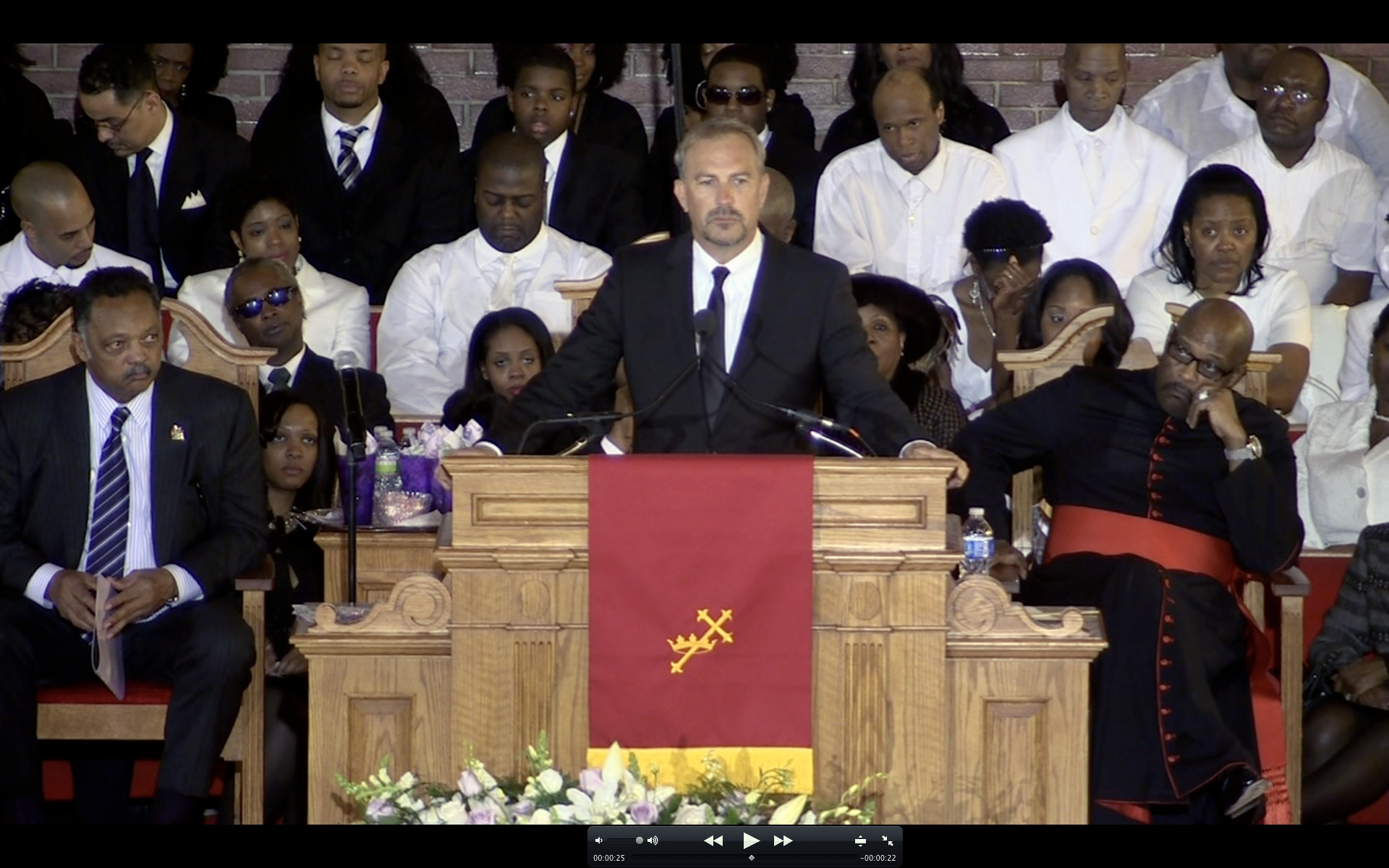
On February 18, 2012, Costner took his pages to the microphone himself. He had written down the stories because he did not want to forget anything. One of them took the room back to the early 1990s, when Houston walked in front of a movie camera without the confidence audiences heard in her singing. By the time Costner told it, everyone listening knew what had happened after that screen test. They knew the movie, the soundtrack, and the song. Houston had known only that she wanted another chance to get it right.
Years later, in a June 2024 interview on Armchair Expert, Costner revealed how close he had come to avoiding the speech altogether. He said he initially resisted the invitation and agreed after Houston’s cousin, singer Dionne Warwick, encouraged him. Even then, he felt unsure about being the person who should speak. The eulogy lasted about 17 minutes, by his recollection. Watching it after hearing his account, there is something moving about how deliberately he begins. He had finally decided to trust the pages in his hands.
The screen test she wanted to get right
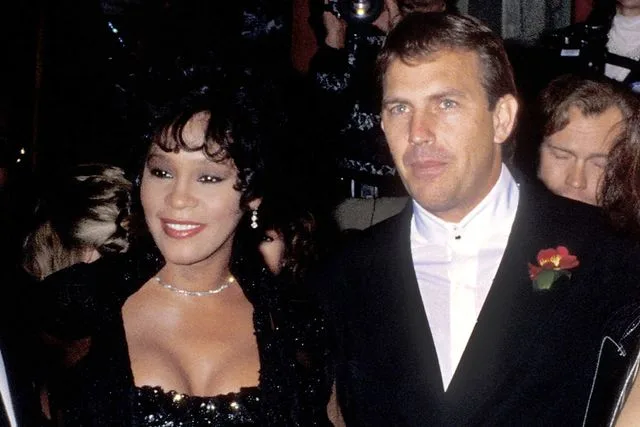
When The Bodyguard opened in November 1992, Costner was coming off the Academy Award wins for Dances with Wolves, which earned him an Oscar for directing and a share of the Best Picture award as a producer. He was also a producer on The Bodyguard. Houston already had a major recording career, and accepting the part meant carrying a feature film for the first time. Costner later said he had wanted her for the role and had assured her she could do it.
Houston played Rachel Marron, a singer and actress targeted by a stalker. Costner played Frank Farmer, the man hired to protect her. Some aspects of the role were close to Houston’s life. She knew what happened when a crowd recognized her and how much a performer had to concentrate to keep a show going. The movie also needed her to make an audience believe in a woman losing control of her daily life. Rachel has to end a conversation she wants to continue, take advice she has good reason to resent, and learn to listen to a man she suspects is keeping things from her.
Some of Houston’s best work comes early, when Rachel is tired of hearing about precautions. Frank is there to tell her where she can go and how she is supposed to get there. Rachel was making those decisions for herself before he arrived. Houston lets the irritation show. It gives their early scenes an edge and makes the later affection between them feel earned. Frank has to get used to being challenged, and Rachel has to decide how much she is willing to tell him. The film needs both of them to give a little at a time.
At the funeral, Costner remembered an earlier and far less composed encounter with the camera. Houston had put on her own makeup for the screen test, and the heat from the lights made it run. The detail got a laugh during his tribute. It was easy to picture the practical embarrassment of it. A person who had spent years getting ready to be seen by thousands of people had done what she thought would help her look her best. Then the lights came on, and the result was something she would have to try again.
Costner could have told the same story as a triumphant anecdote at a film anniversary. A funeral gave it a different weight. With Houston’s family in the room, there was time to remember why such a small setback could have felt so large to her. Millions already knew her voice. That could make the idea of failing in front of a camera more frightening. Any performance that went badly would belong to a woman whom audiences already expected to be extraordinary.
The outcome also makes it easy to overlook what Houston had agreed to do. Costner could advocate for her and promise to support her during production. Houston still had to go in front of the camera, take direction, and come back the next day. She had to learn which of the skills she used on a concert stage would help her in a close-up. The film people remember now came out of that quieter work. The screen test was one of the first times she had to find out how it would feel.
A farewell that started with just her voice
At the funeral, Costner also recalled that the production had first considered a different song for a major moment in the movie. That song had recently been used in another film, he said, and the filmmakers wanted something they could make their own. They ended up with “I Will Always Love You,” written and previously recorded by Dolly Parton. Houston’s version became the song most closely associated with The Bodyguard and, for many listeners, one of the performances they turned to when they wanted to remember her.
The recording opens with Houston singing alone. There are a few seconds in which you can hear the care she takes to get from one phrase to the next. She sounds as though she is addressing someone close enough to hear a quiet voice. When the arrangement opens up and she reaches the notes that made the recording famous, she has already made the goodbye feel personal. The movie gives the song two characters and a particular reason to part. Anyone who heard it on the radio could imagine someone of their own.
The soundtrack reached No. 1 on the Billboard 200 and won Album of the Year at the 1994 Grammy Awards. Houston’s “I Will Always Love You” earned Record of the Year. The album also gave listeners “I Have Nothing,” “Run to You,” and “I’m Every Woman.” Each asked something different of her. A listener who came to the soundtrack because of the ballad could find Houston sounding exuberant, urgent, wounded, or ready to take charge. The sheer reach of the first song sometimes obscured how much else she had done on the same record.
Costner remembered the music through his own experience of getting the film made. In 2024, he described himself as Houston’s “imaginary bodyguard” and spoke about the promise he felt he had made to look out for her during the work. He had argued that she should be in the picture. Once she agreed, he knew she was the one who had to live with the decision every day on set. His description of the friendship drew its language from the character he had played. The part of their relationship he could speak to most directly had begun with trusting each other at work.
The song went on to become a part of occasions neither of them could have pictured while making the film. A farewell performed for a movie made its way into other people’s lives. By the time Costner spoke in Newark, the public had been hearing Houston sing those words for nearly 20 years. The people who had come to say goodbye to her that day were about to hear the record again in the church where her singing had once belonged to a local congregation.
The church that remembered her before the records
Houston died on February 11, 2012, at the Beverly Hilton in California. Her funeral took place one week later at New Hope Baptist Church, the Newark congregation where she sang as a child. Her mother, gospel singer Cissy Houston, attended, as did her daughter, Bobbi Kristina Brown. Stevie Wonder, Alicia Keys, Tyler Perry, and record executive Clive Davis were among those who took part in the service. Mourners clapped and swayed to gospel music in a room that had known Houston’s voice long before it belonged to the world.
The setting gave Costner somewhere to begin. He, too, had grown up attending a Baptist church. His grandmother played piano and led the choir, and his mother and aunt sang in it. He remembered watching his father help build the church. He also recalled the trouble he got into once he was old enough to sit with his friends instead of his parents. His memory of being hauled out of a pew had the kind of detail that could make people laugh even on a day when they had every reason to stay solemn.
It was an unexpected turn from someone many people in the room probably associated with a movie. For a few minutes, Costner was talking about family members singing in front of the same people on Sunday and about a child trying to get away with whispering. Those were stories he could share with Houston when nobody needed either of them to be impressive. In Newark, they gave him a chance to speak in terms her congregation knew. The church was where her career began, and it was also a place where her family had lived out ordinary weeks and years.
Costner’s acknowledgment of Houston’s mother and daughter brought the room back to why it had gathered. A person watching the service on television might remember where they were when they first heard one of Houston’s records or whom they were with when they saw the movie. Cissy and Bobbi Kristina had their own memories, most of which the audience would never know. Costner could give them a piece of the young woman he remembered from work. The cameras happened to be there, but he was telling the story in a room where people had known her without a camera present.
After the performances and speeches, Houston’s own recording of “I Will Always Love You” played as her casket was carried from the church. On-screen, audiences had heard the song when Rachel and Frank had to part. That afternoon, the people closest to Houston heard the same pauses and the same notes as they prepared to leave the church without her. For anyone who had watched Costner tell the story of how the song made it into the movie, it was a chance to hear it again with the woman who recorded it at the center of the moment.
The pages he almost handed away
Costner’s 2024 account gave an unexpected picture of the time just before his speech. He said he was told that CNN, which was broadcasting the funeral, would appreciate shorter remarks because of commercial breaks. He decided to give the speech he had prepared and let the broadcaster manage its timing. And yet he was still thinking about asking somebody else to read it. He knew how much he wanted the room to hear. He was having trouble imagining himself as the person saying it.
The length mattered because of the kind of tribute he had prepared. In a couple of minutes, Costner could have expressed his condolences and said he was grateful to have worked with Houston. The full speech gave him room to explain what their church upbringings meant to their relationship, how much it had mattered to him that she make the movie, and what she had worried about even though so many people already admired her. He could move from a story that made people laugh to an admission about how hard it had been for someone so gifted to believe an audience would accept her.
Imagine looking at those pages in a room where Houston’s mother was sitting. Some of the people there had known her since she was small. Others had made records with her or watched her grow up in public. Costner was there to speak about a particular stretch of her life for which he had been present. He could remember the first time she had to let a movie crew see her work. There is a quiet responsibility in that. The person who could explain how it had felt to her was gone, and what he could offer was what she had allowed him to see.
That is what makes his admission about wanting to hand off the speech especially revealing. During the eulogy, there are moments when he can sound as comfortable as an actor who has been telling stories about his career for years. Already knowing that he nearly gave the pages away changes those moments. He had spent a week deciding what to write and was still unsure when he got to the church. Then he began speaking and took the time he felt the stories needed.
What he wanted young singers to hear
One of the most tender parts of the eulogy came when Costner addressed the girls who would try to sing Houston’s songs. By then, he had talked about the doubts she had carried into her first movie. He could point to a new generation of singers who wanted to sound like her. Some would try a difficult phrase, go back to the beginning, and hear something different the next time through. Costner encouraged them to give themselves over to the music. Coming after the screen-test story, his words gave a young singer permission to be afraid of getting it wrong and sing anyway.
The public knew what Houston could do when a performance went the way she wanted. She could make an immense room pay attention to a song that began with the smallest sound. Costner had seen her somewhere else in the process, working out how to take a piece of herself into a new medium and worrying about what people would make of it. His eulogy let those two memories of Houston sit beside each other. The assurance a listener hears on the recording was something she knew how to create. Some days she still had to find it.
That recognition makes The Bodyguard a little different to watch. Listen to the way Houston changes her tone when Rachel finally realizes Frank has been frightened for her. Watch how long she can let a look stay on her face before answering him. There is thought in those choices, the kind of work that can go unnoticed when a viewer knows a famous song is coming. Costner’s funeral story takes the audience back to the person learning how to make those moments happen with a camera close enough to see them.
There is a particular sadness in the fact that Costner could offer his reassurance so decisively in 2012. Everyone in the church already knew that Houston had made the part her own. People had been singing her songs back to her for years. She had taken a chance on a film, and audiences had held on to what she gave them. At the funeral, Costner could explain how much of that had once been in doubt. He could say it in front of the people who loved her and let them hear what he had seen in her when she was still wondering.
For years afterward, the story of how he almost handed away the speech remained his to tell. When he eventually shared it, the detail sounded familiar alongside the memories he had offered in Newark. Houston had walked back in front of a camera after something went wrong. Costner had walked to a microphone he would have preferred someone else to stand behind. Each knew what it meant to want another minute before being seen. What he could do for her that afternoon was read the words himself.
Before his turn was over, he had brought the room back to a woman under hot lights, with her makeup running and no way to know what audiences would think of her. That was the Whitney Houston he could remember for her family. In time, people would sing along to her soundtrack, give it to someone they loved, or play it because they missed somebody. On the day of the screen test, all she could do was get ready and try again. Twenty years later, in the church where she had sung as a child, Kevin Costner stood up and told her family what happened when she did.